Women
By Jasmine Hayward
Published: 4th July 2025
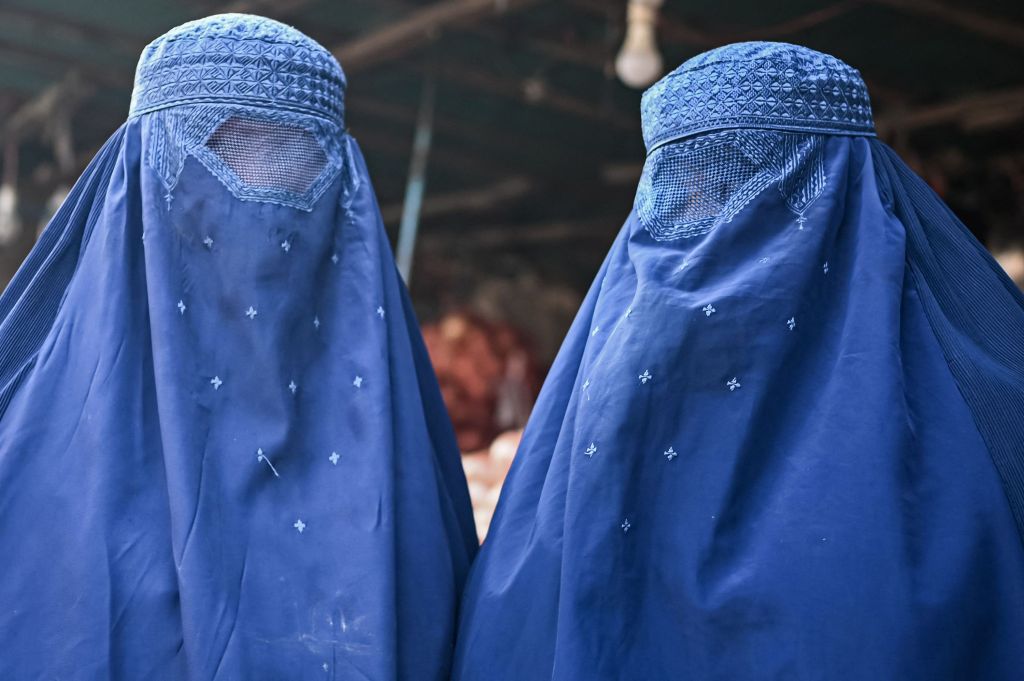
The Taliban’s systemic oppression of Afghani women has created one of the world’s most severe humanitarian crises, with deliberate violations of their fundamental human rights. Among the most alarming is the restriction on women’s access to healthcare. Across all provinces, women are banned from receiving medical treatment from male professionals, yet the denial of education beyond the sixth grade has prevented women from becoming doctors or nurses themselves. This has left Afghan women with little to no access to medical care, directly endangering their right to life. Women are already dependent on their husbands for travel, financial support, and basic freedoms, making it even harder to seek treatment when needed.
The consequences of this medical exclusion are dire. In 2020, the country saw 620 women die for every 100,000 live births – a stark contrast to just 10 deaths in the UK, according to the World Health Organization (WHO). Less than 60% of births were overseen by trained health personnel in 2019, according to the United Nations Population Fund (UNFPA), which estimates that Afghanistan requires an additional 18,000 skilled midwives to meet the needs of its women.
Furthermore, women were already severely underrepresented in the workforce, with only 5% employed before the Taliban’s takeover. Now, with the Taliban issuing orders mandating that women stay at home, they have been effectively banned from the workplace altogether. This violation extends beyond economic independence—it threatens survival. Without female healthcare workers, women suffering from illness, complications in childbirth, or life-threatening diseases are left untreated, leading to preventable deaths. The Taliban’s policies have not only stripped women of their livelihoods but have also created a healthcare crisis that violates their most basic right: the right to life. This dire situation has drawn condemnation from the United Nations, which has labelled Afghanistan one of the most oppressive countries for women globally.
Beyond healthcare and employment, the Taliban’s strict control over women’s bodies and voices has erased them from public life. Women in Afghanistan should have the freedom to choose whether to wear the niqab, yet under Taliban rule, it has been enforced by law. While many women choose to wear it, forcing it upon them strips them of their bodily autonomy, reducing them to objects of control rather than individuals with free will. This extends to the silencing of women in all aspects of society. Women are banned from hearing other women’s voices in public, and the Taliban has even ordered that windows be changed to prevent women from being seen.
Punishments for defying these oppressive restrictions are brutal and inhumane. Women who fail to abide by these rules are not only scrutinised but also subjected to violent attacks, arrests, public floggings, stoning’s, and even executions. Reports from The Conversation detail how the Taliban’s enforcement of these punishments is intended to instil fear, ensuring absolute obedience through the threat of extreme violence.
Women are also being erased from the media. They are no longer represented on television and are misrepresented when briefly mentioned in media coverage. This deliberate censorship ensures that Afghan women remain invisible, both within their own country and to the rest of the world .The oppression extends to Afghan girls, who are forced into child labour and early marriage, with an estimated 28.7% of girls married before the age of 18 and 9.6% before 15. This cycle of forced dependence and abuse prevents girls from accessing education or building independent lives. Additionally, women are unable to seek justice against male perpetrators of domestic violence since they cannot take men to court or sue them for abuse.
Further restricting women’s freedoms, they are not allowed to obtain driving licences, stripping them of their ability to travel independently. This restriction, combined with their economic exclusion, leaves them entirely dependent on male relatives for survival, reinforcing the Taliban’s goal of erasing women’s autonomy altogether.
Afghan women have been systematically stripped of their rights, freedom, and dignity. Their exclusion from healthcare, education, employment, and the legal system has left them vulnerable to abuse, exploitation, and death. This brutal reality, enforced through fear and violence, continues to make Afghanistan one of the most oppressive countries for women in the world.
Editor: Leah Russon Watkins
 UON AMNESTY INTERNATIONAL